

AI Insights · Timothy · April 2024
Top 5 City Building Games in New Zealand: Q1 2024 Performance
Discover the top-performing city building games in New Zealand for Q1 2024, including detailed insights on downloads, revenue, and active users.
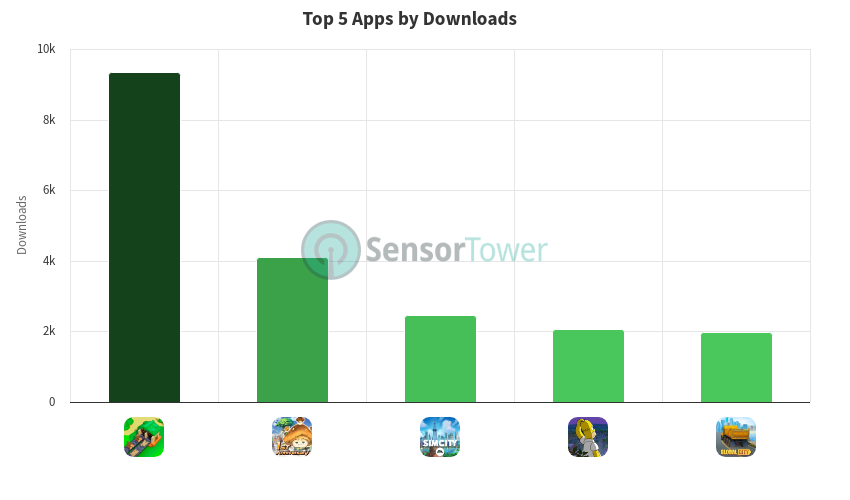
The first quarter of 2024 saw notable performances from the top 5 city building games on a unified platform in New Zealand. Here’s a detailed look at their metrics, with data sourced from Sensor Tower.
States Builder: Trade Empire from SayGames LTD showed fluctuating weekly downloads, starting at 1.6K in early January and ending at 511 by late March. Weekly revenue also varied, peaking at approximately $330 in early January and closing the quarter at around $305. Active user numbers saw a decline, starting at 2.4K and dropping to about 1.1K by the end of March.
Mars Era Limited's Isekai: Slow Life experienced consistent weekly revenue, peaking at over $6.4K in early February and maintaining around $5.4K towards the end of March. Downloads remained steady, averaging around 350 per week initially but dropping to 193 by the end of the quarter. The game maintained a robust active user base, increasing from 2.8K to 3.1K by early March before stabilizing around 2.9K.
SimCity BuildIt, published by Electronic Arts, demonstrated a stable weekly revenue trend, with notable peaks at $2.5K in early January and late March. Downloads showed a mixed trend, starting at 222 and dipping to 168 by the end of March. Active users remained relatively stable, beginning at 3K and ending the quarter at approximately 2.6K.
The Simpsons™: Tapped Out, also by Electronic Arts, had variable revenue, starting at around $1.9K in early January and fluctuating to about $1K by the end of March. Downloads decreased from 243 in early January to 174 by the end of the quarter. Active users saw a slight decline, starting at 839 and ending at 703.
Global City: Building Games from MY.GAMES B.V. showed a significant spike in revenue in early February, reaching $1.2K, before stabilizing around $281 by the end of March. Downloads increased from 103 in early January to a peak of 246 in mid-February, before settling at 111. Active users saw growth from 266 to 416 by late February, then declined to 274 by the end of March.
For more detailed insights and data, visit Sensor Tower.